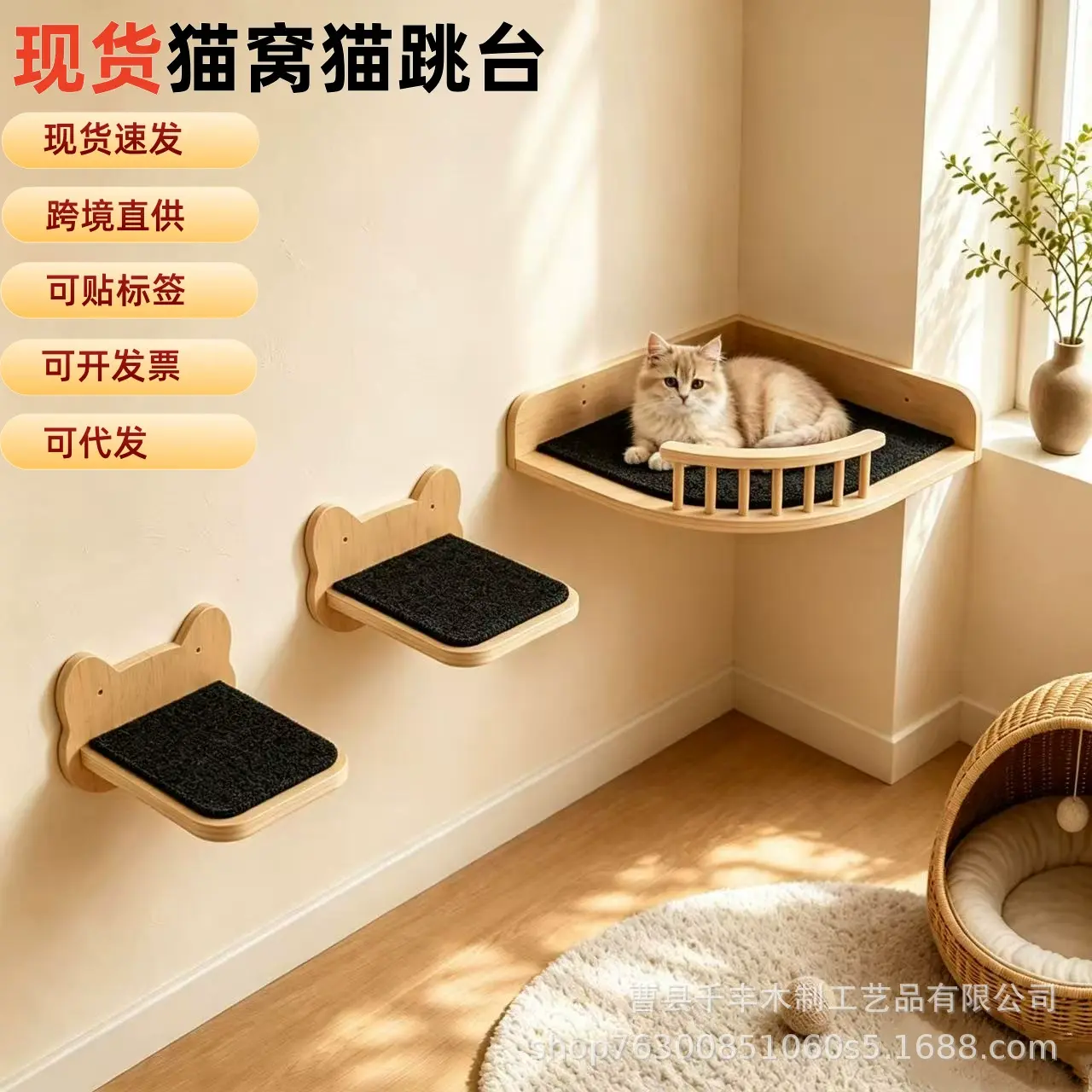
Keep Your Feline’s Playground Fresh, Safe, and Stylish
Your cat tree is more than just furniture; it’s a sanctuary. Learn how to preserve its quality and ensure a healthy environment for your pet with our professional maintenance strategies.
Why Regular Cat Tree Maintenance Matters
Beyond aesthetics, hygiene is the cornerstone of pet health.
Health and Hygiene
Cat trees accumulate a surprising amount of dander, loose fur, dust mites, and bacteria over time. Regular cleaning prevents allergic reactions in humans and skin irritations or infections in cats. A clean environment is a happy environment for your furry companion.
Extending Product Lifespan
Investing in a high-quality cat tree, such as those from Ningbo GMT Leisure Products, is a significant commitment. Regular maintenance prevents the breakdown of sisal rope, the fraying of plush fabrics, and the loosening of structural joints. Proper care ensures your investment lasts for years rather than months.
Odor Control
Accidents happen. Whether it’s a minor scratch mark or an accidental spill, lingering odors can deter your cat from using the tree and annoy household members. Effective cleaning techniques neutralize these smells without using harsh chemicals that might harm your pet.
Essential Tools for Cat Tree Care
You don’t need industrial equipment to keep your cat tree spotless. Here are the basics.
Vacuum Cleaner with Upholstery Attachment
A standard vacuum is helpful, but an upholstery attachment is crucial. It reaches into nooks, crannies, and the tight weaves of the fabric where hair and dander hide. Look for a model with a HEPA filter to capture fine allergens.
Baking Soda and White Vinegar
These are the gold standards for natural cleaning. Baking soda is excellent for absorbing odors, while a mixture of white vinegar and water acts as a natural disinfectant and deodorizer that is safe for pets once dry.
Sisal Rope Maintenance Kit
Sisal is durable but can fray. Keeping a spare coil of sisal rope and a strong adhesive allows you to repair worn posts quickly, restoring the tree’s functionality and appearance.
Lint Roller or Rubber Glove
For quick daily touch-ups, a lint roller or a damp rubber glove can efficiently pick up loose hair from the platforms without the need for a full vacuuming session.
Step-by-Step Cleaning Process
Follow this routine to maintain a pristine cat tree.
Step 1: Dry Removal
Start with a completely dry cat tree. Use your vacuum cleaner with the upholstery attachment to remove all loose hair, dust, and debris. Pay special attention to the base, the underside of platforms, and the crevices between posts. This step is critical because wetting the tree before removing loose hair can cause it to mat into the fabric, making removal much harder.
Step 2: Deodorizing with Baking Soda
Sprinkle a generous amount of baking soda over all fabric surfaces. Let it sit for at least 15 to 20 minutes. Baking soda works by absorbing moisture and neutralizing acidic odors. After the waiting period, vacuum the baking soda thoroughly. For a stronger odor fight, mix equal parts water and white vinegar in a spray bottle, lightly mist the fabric (do not soak), and allow it to air dry completely. The vinegar smell will dissipate as it dries, taking the cat odor with it.
Step 3: Spot Cleaning Stains
For specific stains, create a paste using water and baking soda or use a pet-safe enzymatic cleaner. Gently blot the stain with a clean cloth; never rub, as this can push the stain deeper into the fibers. Rinse with a damp cloth and blot dry. Ensure the area is completely dry before allowing your cat back on the tree to prevent mold growth.
Step 4: Sisal Post Care
Sisal posts should be kept dry. If they become soiled, use a stiff brush to remove surface dirt. Avoid water on sisal, as it can cause the fibers to swell and rot. If the rope is fraying, apply a small amount of non-toxic craft glue to the loose ends to secure them, or wrap new sisal rope around the post for a fresh look.
Maintenance Schedule and Specifications
Establish a routine that fits your lifestyle.
Weekly Maintenance
Vacuum all fabric surfaces to remove loose hair and dander. Check for loose screws or wobbly platforms. Inspect sisal posts for excessive fraying.
Monthly Deep Clean
Perform a full deodorizing treatment with baking soda. Spot clean any visible stains. Wash removable covers in cold water on a gentle cycle if the manufacturer permits.
Quarterly Inspection
Tighten all structural bolts. Check the stability of the base. Evaluate the overall structural integrity of the tree, especially for multi-level towers.
Material Compatibility
Always check the care label. Plush fabrics may require different care than faux fur or carpeted surfaces. Ningbo GMT Leisure Products designs trees with durable, easy-to-clean materials in mind, but individual care instructions should always be prioritized.
Frequently Asked Questions
Common concerns about cat tree hygiene answered.
Can I wash my cat tree in a washing machine?
Generally, no. Most cat trees are too large and have internal structures (wood, heavy foam) that cannot withstand a washing machine. However, some models come with removable, zippered covers. Always check the manufacturer’s instructions. If a cover is removable, wash it on a gentle cycle with cold water and air dry.
How do I remove cat urine from a cat tree?
Time is critical. Blot up as much liquid as possible with paper towels. Apply an enzymatic cleaner specifically designed for pet odors. These cleaners break down the uric acid crystals that cause the smell. Avoid ammonia-based cleaners, as ammonia smells similar to urine to cats and may encourage them to mark the same spot again.
Is it safe to use essential oils on a cat tree?
Exercise extreme caution. Many essential oils (such as tea tree, peppermint, and citrus) are toxic to cats when ingested or inhaled in large quantities. Stick to pet-safe, non-toxic cleaning agents like diluted white vinegar or baking soda. Always ensure the area is well-ventilated and completely dry before your cat returns.
How often should I replace my cat tree?
With proper maintenance, a high-quality cat tree can last several years. However, if the structure becomes unstable, the base is cracked, or the sisal is completely destroyed and cannot be repaired, it is time to replace it to ensure your cat’s safety.
Upgrade Your Cat’s Lifestyle Today
Discover durable, stylish, and easy-to-maintain cat trees designed by experts.