Redefining Feline Living Spaces: The 2026 Retail Outlook
As the pet industry evolves, the definition of cat furniture has shifted from simple utility to integral interior design. For retail buyers and distributors, understanding these shifts is critical to staying competitive in the 2026 market. At Ningbo GMT Leisure Products, we analyze the convergence of aesthetics, functionality, and sustainability to bring you the definitive guide on what consumers are demanding and what retailers need to stock.
The Shift from Utility to Interior Design
Why aesthetics now drive purchasing decisions
The Modern Home Integration
In 2026, the era of the bulky, carpet-wrapped cat tree that clashes with modern decor is effectively over. Retail buyers are reporting a significant surge in demand for ‘human-centric’ pet furniture. Consumers no longer view cat furniture as an afterthought; they view it as a piece of home decor that must complement their existing interior design schemes. This has led to a rise in minimalist designs, neutral color palettes (beiges, greys, soft whites), and the use of premium materials like solid wood, boucle fabric, and linen blends. For retailers, this means stocking products that appeal to the homeowner’s eye, not just the cat’s instinct.
Space Optimization in Urban Living
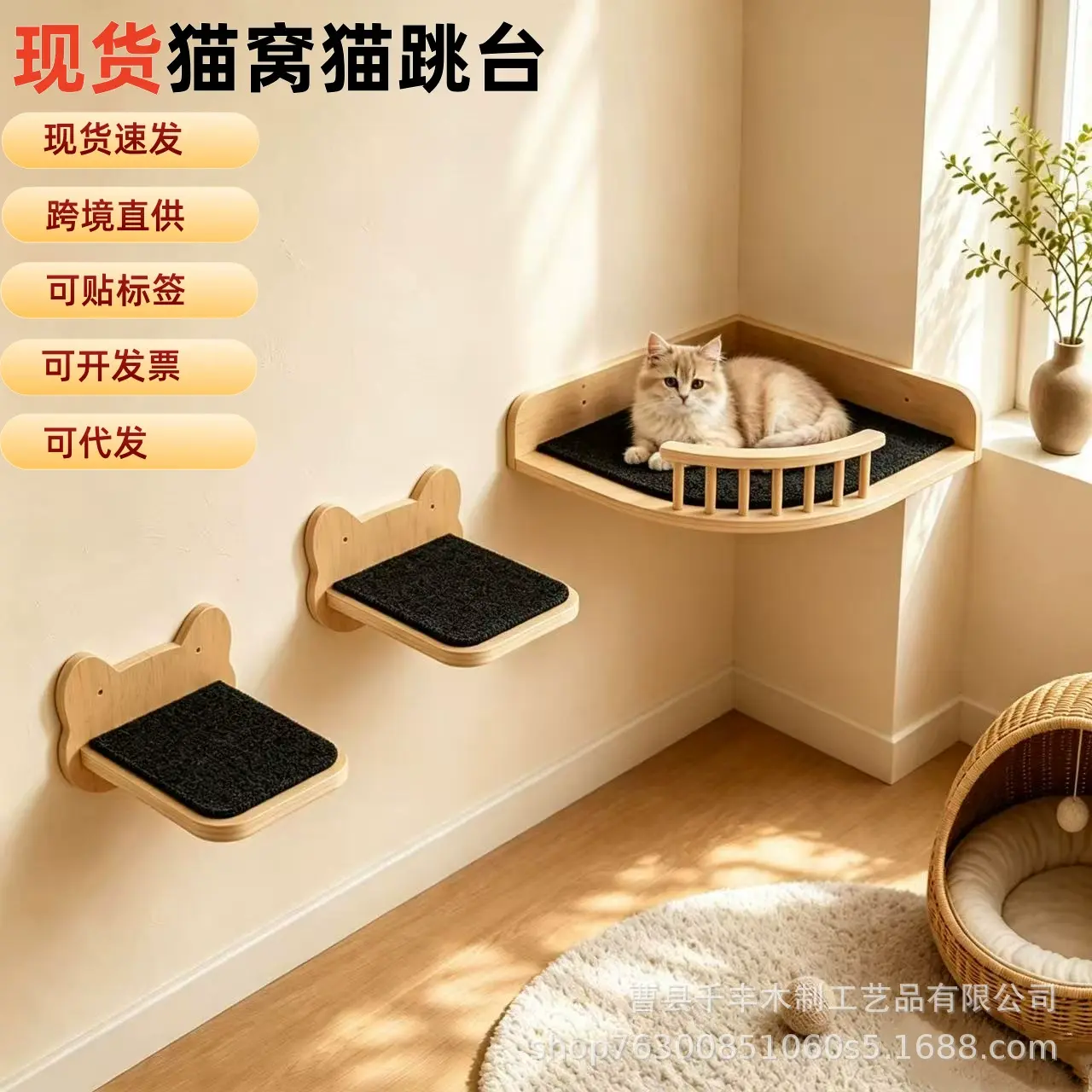
With urbanization continuing to impact housing sizes globally, space efficiency is a paramount concern for 2026 buyers. Verticality is key. Cat trees that offer multiple levels of perching, sleeping pods, and play areas within a small footprint are top sellers. Wall-mounted cat shelves and modular systems that allow customers to customize their cat’s playground are also gaining traction. Buyers are looking for solutions that maximize vertical space without overwhelming the floor area of smaller apartments.
Key Drivers in 2026 Cat Furniture Purchases
Understanding the core value propositions that convert browsers into buyers
Sustainability and Eco-Conscious Materials
The most significant trend influencing 2026 is sustainability. Pet owners are increasingly eco-aware, seeking products made from recycled plastics, organic cotton, hemp, and FSC-certified woods. There is a growing aversion to low-grade particle board and synthetic foams that degrade quickly. Retailers who prioritize brands like Ningbo GMT Leisure Products, which emphasize durable, eco-friendly construction, are building trust with a demographic that values longevity and environmental responsibility.
Durability and Easy Maintenance
While aesthetics are crucial, functionality remains the baseline. 2026 buyers demand furniture that can withstand intense scratching, jumping, and climbing. This has driven innovation in materials, such as tightly woven sisal ropes that resist fraying and scratch-resistant fabrics that repel hair and litter. Furthermore, removable, machine-washable covers are now a standard expectation rather than a luxury feature. Products that offer long-term value through durability reduce return rates and increase customer satisfaction.
Ergonomics and Cat Well-being
There is a heightened focus on feline health and well-being. Modern cat furniture is designed with ergonomic considerations, such as wider platforms for secure balancing and enclosed ‘cave’ spaces for stress reduction. Enclosed beds provide a sense of security, appealing to cats’ natural instinct to hide. Retailers are finding that products marketed with benefits like ‘stress-reducing design’ or ‘joint-friendly perches’ resonate strongly with health-conscious pet owners.
The Rise of Smart Cat Furniture
Integrating technology into daily pet care routines
Tech-Enabled Interaction
The intersection of IoT (Internet of Things) and pet furniture is no longer a niche curiosity; it is a mainstream trend in 2026. Smart cat trees and homes now come equipped with built-in cameras, two-way audio, and even automated toys. These features allow owners to monitor their pets while at work, providing peace of mind. For retail buyers, this represents a higher price point with higher perceived value. The ability to control lights, play sounds, or interact with the cat via an app transforms a static piece of furniture into an interactive pet companion.
Health Monitoring Integration
Emerging trends also include furniture integrated with health monitoring sensors. While still in the early adoption phase, some premium 2026 models are exploring bases that can track weight changes or activity levels. This data can be synced with veterinary apps, positioning cat furniture as part of a comprehensive health management ecosystem. Retailers stocking these innovative products position themselves as forward-thinking leaders in the pet industry.
Product Specifications: The 2026 Best-Sellers
Technical details that matter to discerning retailers and end-users
Material Composition
Top-tier 2026 models utilize a core structure of high-density engineered wood or solid pine, wrapped in natural sisal or recycled polyester fiber. Upholstery often features stain-resistant, pet-friendly fabrics like microfiber or boucle, ensuring longevity and ease of cleaning.
Dimensions and Modularity
Standard cat trees now range from 48 inches to 72 inches in height to accommodate vertical space usage. Modular designs allow for expansion, with add-on platforms, hammocks, and condos that can be attached to existing structures. This modularity extends the product lifecycle and encourages repeat purchases.
Smart Features Integration
Advanced models include built-in 1080p HD cameras with night vision, app connectivity for iOS and Android, and optional integrated LED lighting. Power sources are typically USB-C or hardwired, with battery backups for security cameras. Weight capacity is rigorously tested to support multiple large cats, often rated for up to 30-40 lbs of distributed weight.
Frequently Asked Questions for Retail Buyers
Addressing common concerns about sourcing and consumer demand
What is the biggest mistake retailers make when buying cat furniture?
The most common mistake is underestimating the importance of design cohesion. Products that look outdated or clash with modern home aesthetics will struggle to sell, regardless of price. Buyers should prioritize vendors who offer design-forward collections that align with current interior design trends.
How important is sustainability in the 2026 market?
Extremely important. Surveys indicate that over 60% of millennial and Gen Z pet owners are willing to pay a premium for sustainable products. Retailers stocking eco-friendly cat furniture are tapping into a loyal and growing demographic that values corporate social responsibility.
Are smart cat furniture pieces worth the investment?
Yes, particularly for the premium segment. While the upfront cost is higher, the perceived value is significantly greater. These products often command higher margins and attract tech-savvy consumers who are less price-sensitive and more focused on convenience and pet monitoring capabilities.
What should I look for in a manufacturing partner like Ningbo GMT Leisure Products?
Look for partners with robust R&D capabilities, strict quality control processes, and a commitment to sustainable sourcing. Ningbo GMT Leisure Products, for instance, offers comprehensive OEM/ODM services, ensuring that retailers can access customized, high-quality products that meet specific market demands and regulatory standards.
Partner with Ningbo GMT Leisure Products
Stay ahead of the curve with innovative, high-quality cat furniture solutions for 2026.
Request a Catalog & Wholesale Inquiry